The architecture, engineering, and construction industry in the United States is undergoing a major shift. As projects become more complex and delivery timelines tighten, many firms are rethinking how they build and manage their BIM capabilities. One clear trend has emerged: a growing preference for overseas BIM support teams.
From large architectural practices to mid-sized construction firms, US AEC companies are increasingly relying on overseas BIM teams to maintain productivity, manage costs, and scale efficiently. This shift is not driven by cost alone. It reflects deeper operational challenges and evolving project demands across the industry.
The Changing Landscape for US AEC Firms
US AEC firms are facing multiple pressures at the same time. Skilled BIM professionals are in short supply, project volumes fluctuate, and client expectations around coordination and accuracy continue to rise.
Many firms find it difficult to:
- Hire and retain experienced BIM talent
- Scale teams quickly for new projects
- Manage rising labor and overhead costs
- Maintain consistent BIM quality across projects
These challenges have made traditional in-house staffing models harder to sustain, leading firms to explore BIM support teams for US AEC firms located overseas.
What Are Overseas BIM Support Teams?
Overseas BIM support teams are dedicated or flexible BIM professionals based outside the United States who provide modeling, coordination, and documentation support. These teams work remotely but integrate closely with internal project teams.
Typical services provided by overseas BIM teams include:
- BIM modeling and detailing
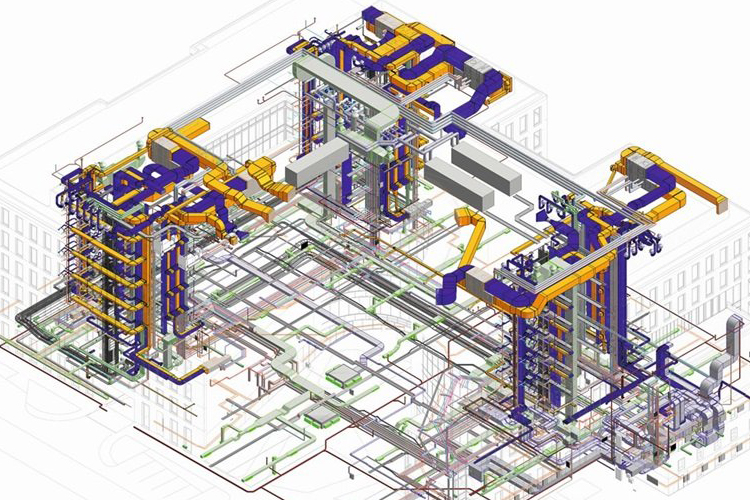
- Coordination and clash detection
- Construction documentation support
- Model updates and revisions
- Discipline-specific BIM assistance
Unlike short-term outsourcing, modern overseas BIM support teams often function as long-term extensions of in-house teams.
Why Overseas BIM Support Teams Are Gaining Preference
Addressing the BIM Talent Shortage
One of the main reasons US firms outsource BIM work is the ongoing shortage of skilled professionals. Recruiting experienced BIM modelers and coordinators locally can take months, and competition for talent remains high.
Overseas BIM teams give firms immediate access to skilled professionals without long recruitment cycles. This allows companies to meet project deadlines without compromising quality.
Cost Efficiency Without Quality Trade-Offs
While cost is not the only driver, it remains an important factor. Hiring full-time BIM professionals in the US involves salaries, benefits, training, and infrastructure costs.
By contrast, BIM outsourcing for US companies allows firms to manage expenses more predictably while maintaining high technical standards. Many overseas teams are trained on US codes, standards, and project workflows, making integration smoother than in the past.
Scalable BIM Resources for Variable Workloads
Project workloads in the AEC industry are rarely consistent. Some months require large BIM teams, while others demand minimal support.
Overseas BIM support teams provide flexibility by allowing firms to:
- Scale resources up or down quickly
- Avoid long-term employment commitments
- Respond faster to new project wins
This scalability is a key reason BIM support services are replacing rigid in-house staffing models.
Faster Turnaround and Continuous Productivity
Time zone differences, when managed properly, can become an advantage. Overseas teams often work while US teams are offline, enabling near-continuous progress.
This model supports:
- Faster turnaround times
- Overnight model updates
- Quicker response to design changes
For fast-paced projects, this productivity boost is a major benefit of overseas BIM teams.
How Overseas BIM Support Improves Project Coordination
Coordination is one of the most resource-intensive aspects of BIM. Managing architectural, structural, and MEP models requires constant attention and updates.
Overseas BIM support teams help by:
- Managing ongoing coordination tasks
- Identifying clashes early
- Maintaining model consistency across disciplines
This level of support reduces internal workload and helps US teams focus on design decisions rather than repetitive modeling tasks.
Overseas BIM Support for Architecture Firms
Architectural practices often face intense design schedules and frequent revisions. Overseas BIM teams for architects and contractors provide drafting and modeling support that keeps documentation aligned with evolving designs.
This approach allows architects to:
- Focus on concept development
- Reduce documentation pressure
- Improve drawing accuracy and consistency
As a result, architectural firms see overseas BIM support as a strategic advantage rather than a temporary solution.
Overseas BIM Support for Construction and Contracting Firms
For construction firms, BIM is closely tied to coordination, constructability, and risk reduction. Overseas BIM support helps contractors by:
- Supporting coordination models
- Assisting with shop drawing preparation
- Managing as-built documentation
This makes offshore BIM support for construction particularly valuable for complex or large-scale projects.
Overcoming Concerns About Offshore BIM Support
Earlier outsourcing models often raised concerns about communication, quality, and control. Today, these concerns are addressed through better processes and technology.
Successful overseas BIM partnerships rely on:
- Clear communication protocols
- Defined BIM execution plans
- Regular coordination meetings
- Quality assurance workflows
When structured correctly, BIM outsourcing support teams deliver consistent and reliable results.
Why US AEC Firms View Overseas BIM Teams as Long-Term Partners
The shift toward overseas BIM support is not transactional. Many US firms now build long-term relationships with their BIM partners.
These partnerships create value by:
- Reducing onboarding time for new projects
- Establishing consistent standards
- Improving workflow efficiency over time
This long-term approach strengthens delivery capability and supports business growth.
Impact on Project Delivery and Client Satisfaction
With reliable BIM support, firms experience:
- Improved coordination accuracy
- Fewer construction conflicts
- Faster documentation cycles
- Better client communication
These outcomes directly influence client satisfaction and project success, reinforcing the value of overseas BIM support teams.
When Overseas BIM Support Makes the Most Sense
US AEC firms benefit most from overseas BIM support when:
- Project volumes fluctuate
- Internal BIM teams are stretched thin
- Projects require continuous updates
- Firms want to reduce fixed overhead
In these scenarios, overseas support provides flexibility and control.
Choosing the Right Overseas BIM Support Partner
Not all overseas providers offer the same value. Firms should look for partners with:
- Proven experience in US AEC projects
- Skilled BIM professionals across disciplines
- Strong communication practices
- Clear quality control processes
The right partner becomes an extension of your internal team rather than an external vendor.
Why Overseas BIM Support Aligns With the Future of AEC
As digital workflows continue to evolve, distributed teams will become more common. Remote collaboration, cloud platforms, and standardized BIM processes make global teamwork more practical than ever.
Overseas BIM support teams align with this future by offering scalable expertise that adapts to changing industry needs.
Supporting Growth Without Increasing Overhead
For many US firms, growth no longer means hiring larger internal teams. It means building flexible delivery models that can scale without increasing fixed costs.
Overseas BIM support enables firms to:
- Win larger projects
- Manage peak workloads
- Maintain profitability
This approach supports sustainable growth in a competitive market.
Why More US AEC Firms Are Making the Shift
The preference for overseas BIM support teams reflects a broader change in how AEC firms operate. It is about agility, efficiency, and long-term value rather than short-term savings.
If your firm is exploring ways to scale BIM capacity, improve coordination, and manage rising project demands, working with experienced overseas BIM support teams can help you achieve these goals while remaining competitive in the US market.
At Outsource BIM Services, we support US AEC firms with dedicated BIM professionals who integrate seamlessly into existing workflows. Our teams help you scale efficiently, maintain quality, and deliver projects with confidence.
FAQs
US firms outsource BIM support to access skilled talent, manage costs, and scale resources based on project demand.
Yes. Experienced overseas BIM teams are trained to work with US codes, standards, and project workflows.
With structured processes and regular coordination, communication is effective and reliable.
Yes. Many firms use overseas BIM support as a long-term extension of their internal teams.
Architectural practices, engineering firms, and construction companies with fluctuating BIM workloads benefit the most.